Sessions
Explore the keynotes, panels, and conversations shaping the Pittsburgh AI Summit.
Keynote: From Robots to AI: Productivity, Wellbeing, and Life Beyond Work
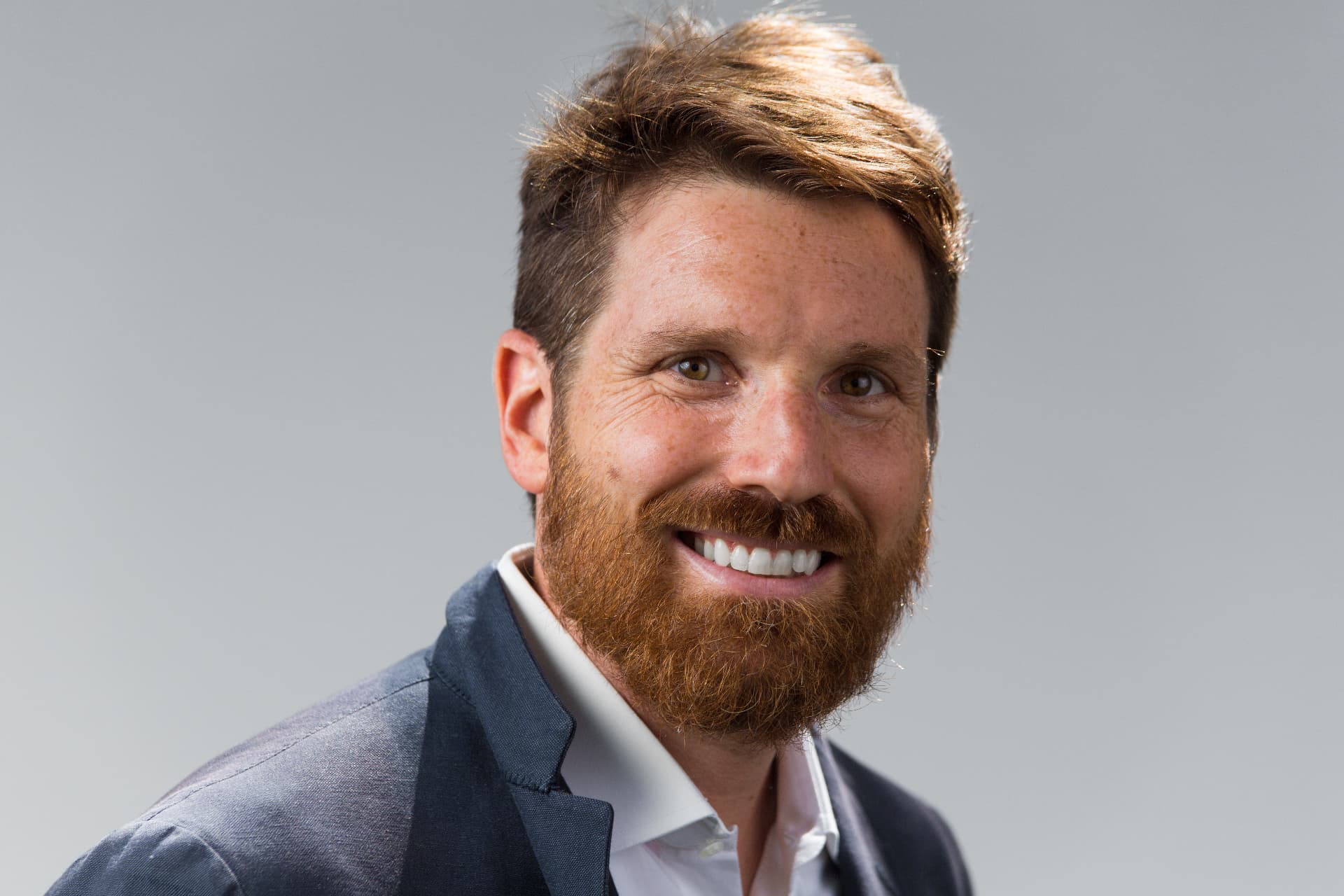
When a new technology arrives, we ask what it does to jobs. That's the wrong first question. What a decade of research on robots shows is that technology shocks spill far outside the workplace — into health, households, marriage, and household spending.
I start with the last automation wave, because it's the one we can actually measure. In the U.S. and Germany, robot exposure made factories physically safer but left workers worse off in other ways, raising mental-health and substance-related risks (Gihleb, Giuntella, Stella & Wang, Labour Economics 2022). In China, workers didn't smoothly retrain into better jobs — they cut back on training and retired early, and households adjusted their consumption and savings in response (Giuntella, Lu & Wang, Economic Journal 2025). And in American communities where robots displaced men from well-paid manufacturing jobs, marriage rates fell, divorce and cohabitation rose, and fertility shifted out of marriage (Anelli, Giuntella & Stella, Journal of Human Resources). Automation didn't just move jobs. It reshaped families.
What about AI? So far, the data are surprisingly quiet. Two decades of German panel evidence show only modest effects of AI exposure on workers' health and satisfaction (Giuntella, König & Stella, Scientific Reports 2025), and related work finds no measurable effect of early predictive-AI diffusion on U.S. population health.
But generative AI is a different animal, and the observational data haven't caught up. So we ran an experiment with roughly 3,900 white-collar workers in the U.S. and Germany. Three early lessons: adoption is far below capability — simply telling workers they're permitted to use AI raised usage by 37 percentage points; the productivity gains are real but modest, showing up most clearly in the quality of what workers produce; and the same tool lands very differently across workers and across countries, with German workers showing more ambivalence even as they gain from it.
Lightning Talk: Design as Trust Infrastructure: Getting AI From Prototypes to Enterprise Adoption

Trust in an AI product is not established at the demo or the signed contract. It is built in a continuous chain that runs from the first positioning decision to the moment the person doing the work uses the system and wants to keep using it.
The talk follows that chain in order. How early brand and language choices set the expectations a product must later honor. How to make a model's reasoning legible to a skeptical expert user. How to design for the moment the system is wrong. How much automation a user will actually authorize, and how that threshold moves with use. Why the buyer and the daily user are rarely the same person, and what breaks when a product is designed only for the one who signs.
Lightning Talk: From Cloud to Edge: What Small Language Models Make Possible

This session explores the past, present, and future of Edge AI with a focus on Small Language Models (SLMs) and what is possible when intelligence moves from the cloud directly onto the devices we see and use every day.
We will look at how edge AI went from traditional embedded machine learning and specialized models into today's on-device language and multimodal systems. We will examine the technologies making that transition possible, including quantization, efficient inference runtimes, NPUs and mobile accelerators, and new model architectures designed for constrained hardware.
Keynote: Beyond Prediction: How AI Can Support High-Stakes Decisions Under Uncertainty
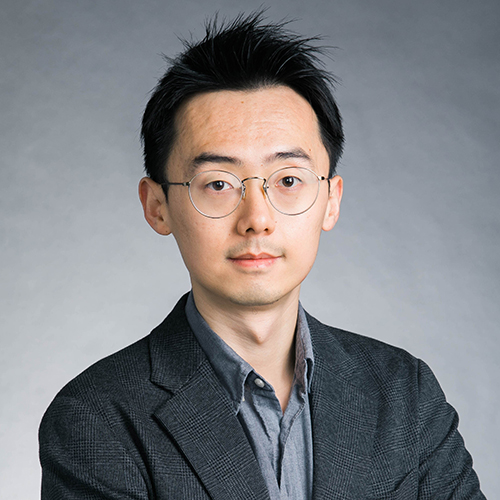
AI systems are often judged by how accurately they predict the future. But in high-stakes settings, prediction is only the beginning. A utility deciding whether to shut off power during extreme wildfire weather must balance uncertain ignition risk against disruptions to hospitals, businesses, and households. A public agency must decide not only what an algorithm recommends, but also when to trust it, when to seek human judgment, and when changing conditions make yesterday's recommendation unsafe.
This talk explores how to move from predictive AI to trustworthy decision support. Drawing on research and partnerships in electric-grid and wildfire resilience, I will show how AI can communicate what it does not know, connect uncertainty to operational consequences, and keep human expertise meaningfully in the loop. I will also discuss a counterintuitive finding from human–AI collaboration: adding a person does not automatically improve an algorithmic decision. Poorly designed collaboration can create "automation cliffs," where performance drops sharply when either the model or human is over-relied on.
The goal is not to eliminate uncertainty or automate every choice. It is to design systems that help people act responsibly despite uncertainty. Attendees will leave with a practical framework for evaluating AI in consequential settings: What decision is the model supporting? What uncertainty matters? What role should people play? And how will the system adapt when the world changes?
Fireside Chat: The Human Side of AI – Care, Adoption, and What We Protect
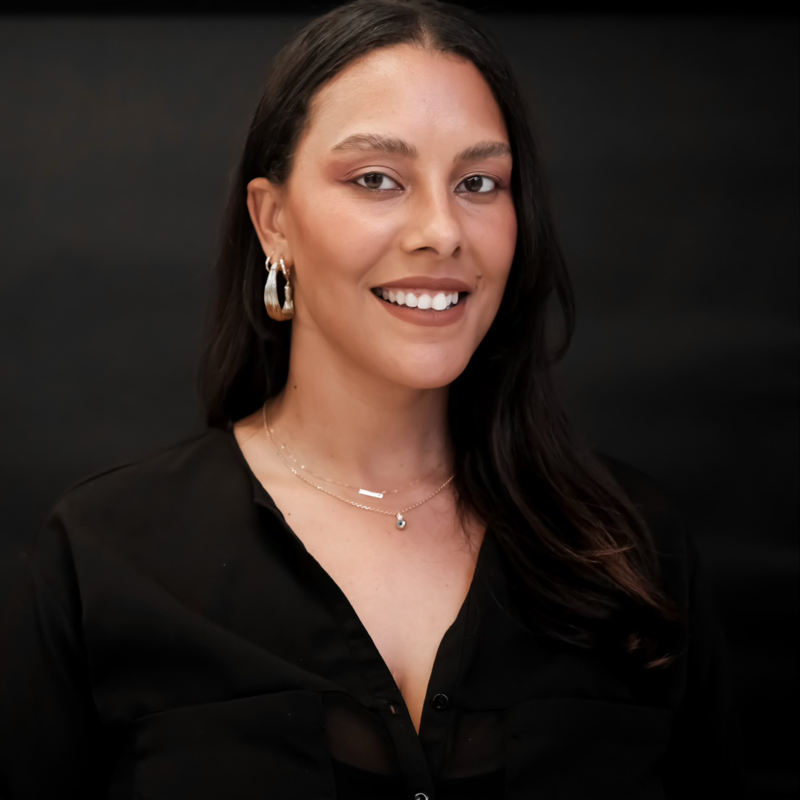

Too often, organizations treat care as an individual burden and AI as just another productivity tool. But in Pittsburgh's regulated industries—life sciences, health tech, and beyond—the real challenge isn't whether AI works, but whether people will embrace it.
In this conversation, Melike Konur introduces AI as Care Infrastructure, a framework that reframes AI not as a replacement for humans, but as infrastructure that expands our capacity for what matters most: creativity, relationships, and strategic thinking. Meanwhile, Dr. Shannon Gregg brings her PhD research on diffusion of innovations and change management to reveal why adoption fails when we ignore human behavior—and how to get it right in high-stakes, compliance-driven environments.
Together, they'll explore: What human capacities should AI protect? How do we design for adoption, not just implementation? And how can leaders ensure technology serves people, not the other way around?
Panel: The AI Evaluation Challenge: Bridging Theory and Practice



Across the AI landscape, researchers and engineers are asking one question: how can we best evaluate the capability of AI systems? Indexes such as Stanford HELM and Artificial Analysis offer comparative insights into how models stack up on benchmarks, but those results often fail to generalize into singular, production-grade workflows.
This panel offers three distinct perspectives on what evaluation truly entails and how to build a robust method for assessing systems. Join researchers from Scale AI and CMU, along with an industry practitioner from Health Universe, to explore what it really means to evaluate AI.
Automation of Science: What Can Go Wrong and How Do We Fix It
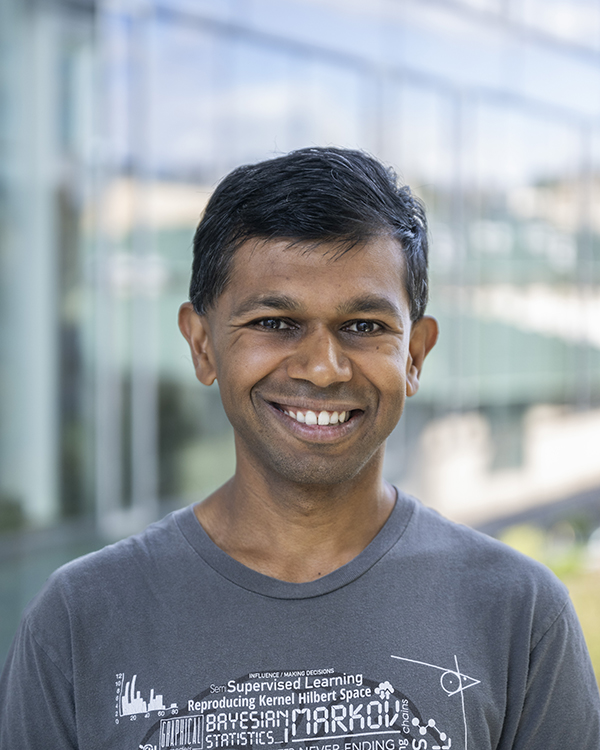
From paper review to grant evaluation, scientific decisions increasingly rely on automated and AI-assisted systems. These tools promise scale, consistency, and efficiency—but they also introduce subtle failure modes that can distort research priorities, reinforce biases, and undermine trust in the scientific process itself.
Drawing on research that has been applied to the review of hundreds of thousands of papers and thousands of proposals, Nihar Shah examines how automation in science can go wrong. He explores challenges in evaluator calibration, the mismatch between simplistic metrics and real scientific quality, and the risks of deploying black-box systems in consequential decisions.
The talk also points toward fixes: evaluation designs that are robust, transparent, and aligned with scientific values. Attendees will leave with a clearer picture of what it takes to automate the hard parts of science without automating away the judgment that makes science work.
Panel: Production AI
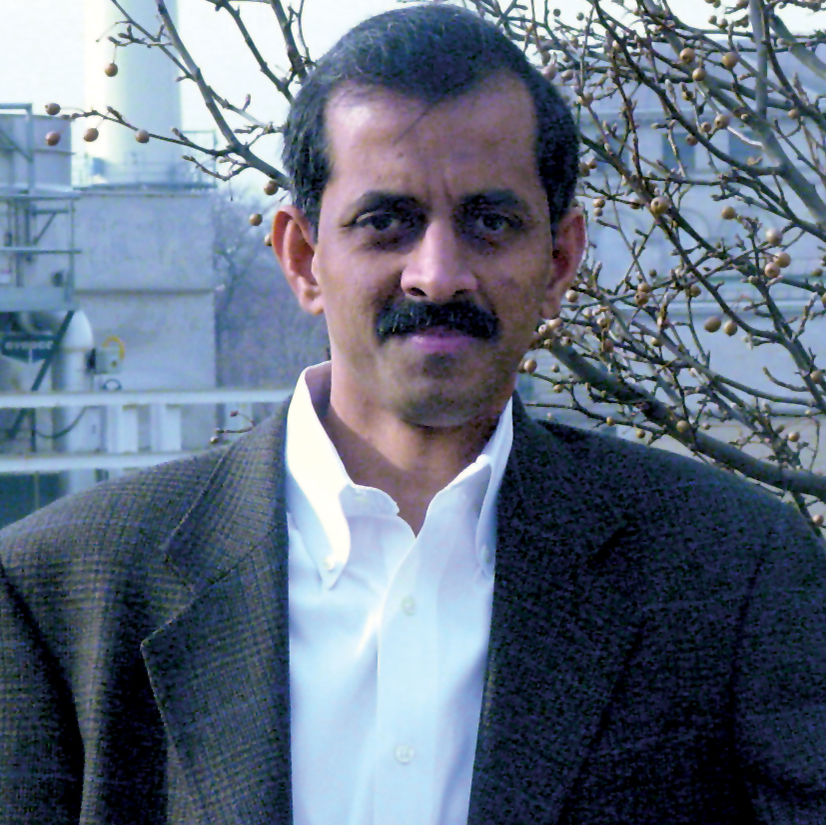



Ganesh Mani, PhD (Moderator) · Sourav Bhattacharyya · Handerson Gomes · Curtis Wadsworth, J.D., Ph.D.
AI adoption looks very different on a whiteboard than it does in production. In this panel, practitioners share what it actually takes to move intelligent systems from promising prototypes to dependable business capabilities.
Sourav Bhattacharyya brings an enterprise data perspective, drawing on nearly two decades of work across logistics, supply chain, healthcare, insurance, and banking. He focuses on the foundations that determine whether AI programs succeed: data quality, integration, governance, scalable pipelines, and the organizational trust that makes adoption possible.
Handerson Gomes brings a from-the-trenches view of production AI systems. From early medical speech recognition infrastructure to modern RAG and agentic architectures, he has spent more than twenty years helping organizations put AI into their own products. He will share practical lessons on architecting, building, and deploying AI systems that survive contact with real users and real constraints.
Curtis Wadsworth brings an AI-native legal and corporate perspective. As founder of Nerd Lawyer Entrepreneur Services, he builds AI and LLM-driven workflows that cut the cost of legal infrastructure for startups and small businesses — and make them due-diligence-ready long before anyone asks.
Moderated by Ganesh Mani, the panel shows what it really takes to get AI into production across industries.
Human–AI Synergy: Designing Teams That Think Better Together

As a cognitive scientist, my research is largely focused on human-AI synergy: collaboration between humans and artificial intelligence that yields better performance than what either agent could achieve alone. By investigating the differences between how humans and AI "think" or "cognize," one can design synergistic human-AI teams whose members' strengths complement one another. I am interested in determining the optimal team roles, configurations, and conditions for human-AI team systems, especially within the context of cooperative decision-making tasks.
In this talk, I will present my current research at Carnegie Mellon University's Dynamic Decision Making Lab. Specifically, I will discuss findings from a series of experiments conducted in collaboration with Dr. Chase McDonald and Dr. Coty Gonzalez that addresses two central research questions: (1) Does temporally aligning an AI agent with a human improve human–AI team performance and, consequently, complementarity? (2) Does training AI agents to adapt to human preferences and behavioral variability increase human–AI complementarity?
More broadly, this work challenges the assumption that maximizing AI performance alone is sufficient for effective human–AI collaboration. Instead, I will argue that AI systems should be designed and trained to complement, augment, and extend human capabilities.
(Still being finalized <3)